
Drone Roof Inspections for Hail Damage in Colorado Springs: Accuracy, Cost and When to Use
Drone technology has entered roof inspections across Colorado Springs, and more homeowners are now being offered aerial assessments after hailstorms. Whether the offer comes from a contractor, a roofing company, or an insurer, it is worth understanding what drone inspections can actually tell you before relying on one for an insurance claim.
An experienced roofing contractor in Colorado Springs, CO, who has worked through the claims process knows that aerial imagery and physical inspection are not interchangeable, and that difference has real consequences when coverage is on the line.
What a Drone Roof Inspection Is
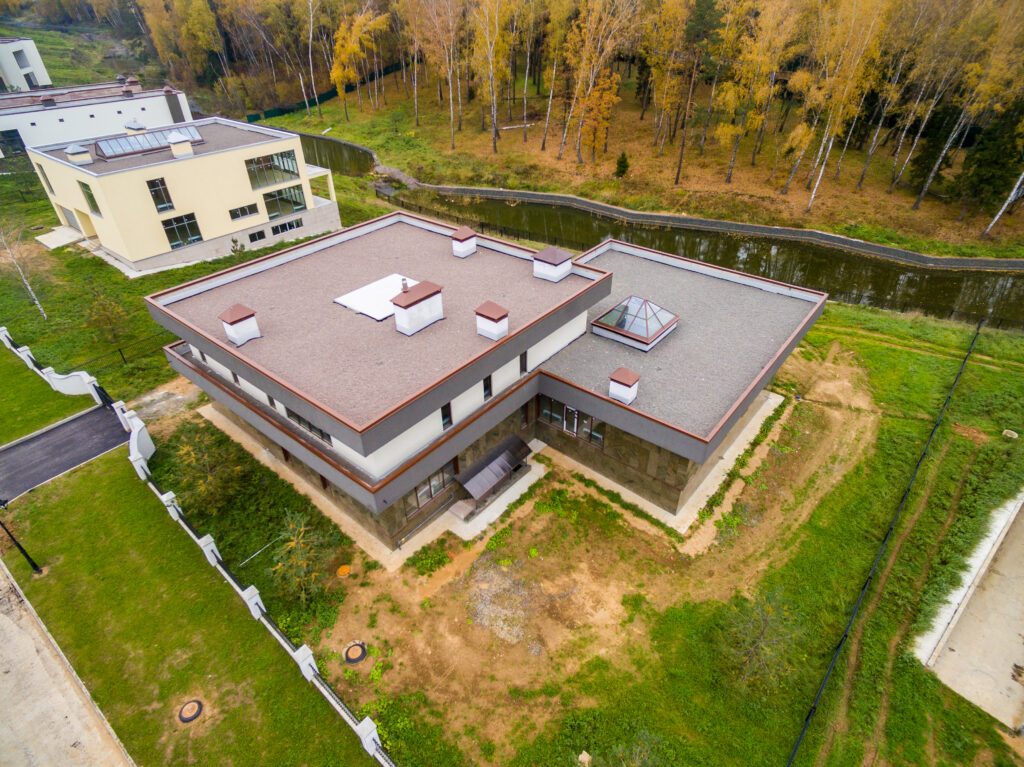
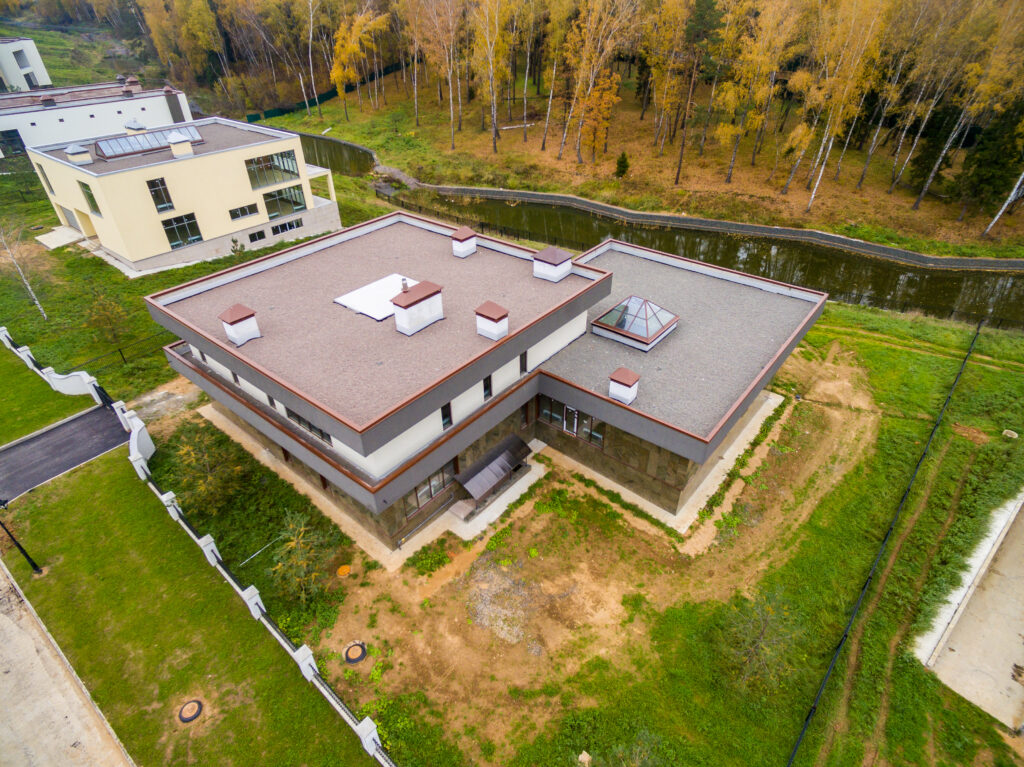
A drone inspection uses aerial imaging to photograph and document a roof’s surface without a technician physically walking on it. The drone captures high-resolution images of shingles, flashing, ridges, and edges, which are often processed by software that flags visible damage patterns.
For general roof condition assessments, drone inspections offer a fast, non-invasive overview. They are useful for identifying obvious missing shingles, visible ponding areas on flat commercial roofs, and broad wear patterns on residential roofs.
How Accurate Are Drone Inspections for Hail Damage?
This is where the limits of drone technology become specific. Drone imagery is good at capturing what is visible directly from above. Hail damage to asphalt shingles, including granule loss, bruising, and subtle fracturing of the fiberglass mat, requires close-up physical inspection to be reliably identified.
An aerial image can show a dark stain where granule loss has occurred on a section of the field. It cannot show whether a shingle has been bruised beneath the surface. It also cannot confirm whether the pattern and density of impacts are consistent with a qualifying storm event under specific policy language.
For insurance claim purposes, aerial imagery alone is rarely sufficient to document the full extent of hail damage. Insurers’ price estimates using Xactimate software expect damage to be documented at the item level, per square, and per linear foot, in a format that reflects policy-covered damage. That level of documentation requires physical inspection by someone who understands how insurers structure those assessments.
What Drone Inspections Cost in Colorado Springs
Drone inspection costs vary based on roof size, the company conducting the inspection, and the level of reporting included. Basic flyover inspections with a photo report may cost $150 to $400 for a standard residential property, and more detailed reports with annotated damage mapping can cost more.
Some roofing contractors include a basic drone flyover as part of their sales process at no charge. The value of that inspection depends entirely on what happens with the data afterward, specifically whether someone with claims experience reviews the imagery and translates it into documentation that the insurer will accept.
When a Drone Inspection Is Useful
Drone inspections are particularly valuable in specific scenarios. They are useful for initial triage after a major storm when crews cannot immediately physically access every property, and for steep or difficult-to-access roofs where physical safety is a concern.
For commercial flat roofs or large multi-building properties, aerial imagery provides an efficient first overview before a more detailed physical inspection follows. Insurance companies also use drones to conduct initial assessments of storm-affected neighborhoods, and if an insurer’s imagery shows limited damage, that aerial data can become the basis for a low estimate or a denial before the insurer’s adjuster ever sets foot on the property.
Knowing this is reason enough to have an independent physical inspection documented before the insurer’s process begins.
What a Licensed Adjuster’s Physical Inspection Catches That a Drone Cannot
Physical access is important for documenting hail damage. An adjuster walking the roof can apply firm pressure to a suspected bruise on a shingle, check flashing conditions at transitions and penetrations, assess the pattern and density of granule loss across the full field, and look at damage from angles and distances that aerial imagery cannot replicate.
Licensed adjusters Rich Lawson, with 14 years of adjusting experience, and Troy, with over 20 years in commercial and residential claims, inspect properties the way insurers document them.
They know what constitutes functional damage versus cosmetic damage under Colorado policy language, and they document their findings in a format that holds up throughout the claim and any subsequent supplemental negotiation. That inspection is free. Drone imagery is a useful tool in the right context, but it is not a substitute for physical inspection when an insurance claim is involved.
What to Do After a Hailstorm in Colorado Springs
If a storm has moved through Colorado Springs, Monument, Fountain, or surrounding El Paso County, the most effective first step is an in-person inspection by someone qualified to document damage for an insurance claim. Aerial imagery can supplement a physical inspection, but should not replace it when coverage is at stake.
On-site, roof-level inspections are conducted by licensed adjusters who understand what insurers need to approve a claim. If an aerial assessment has already been received from an insurer or a contractor and a physical inspection is needed for comparison, that can be arranged.
Related Topics: