
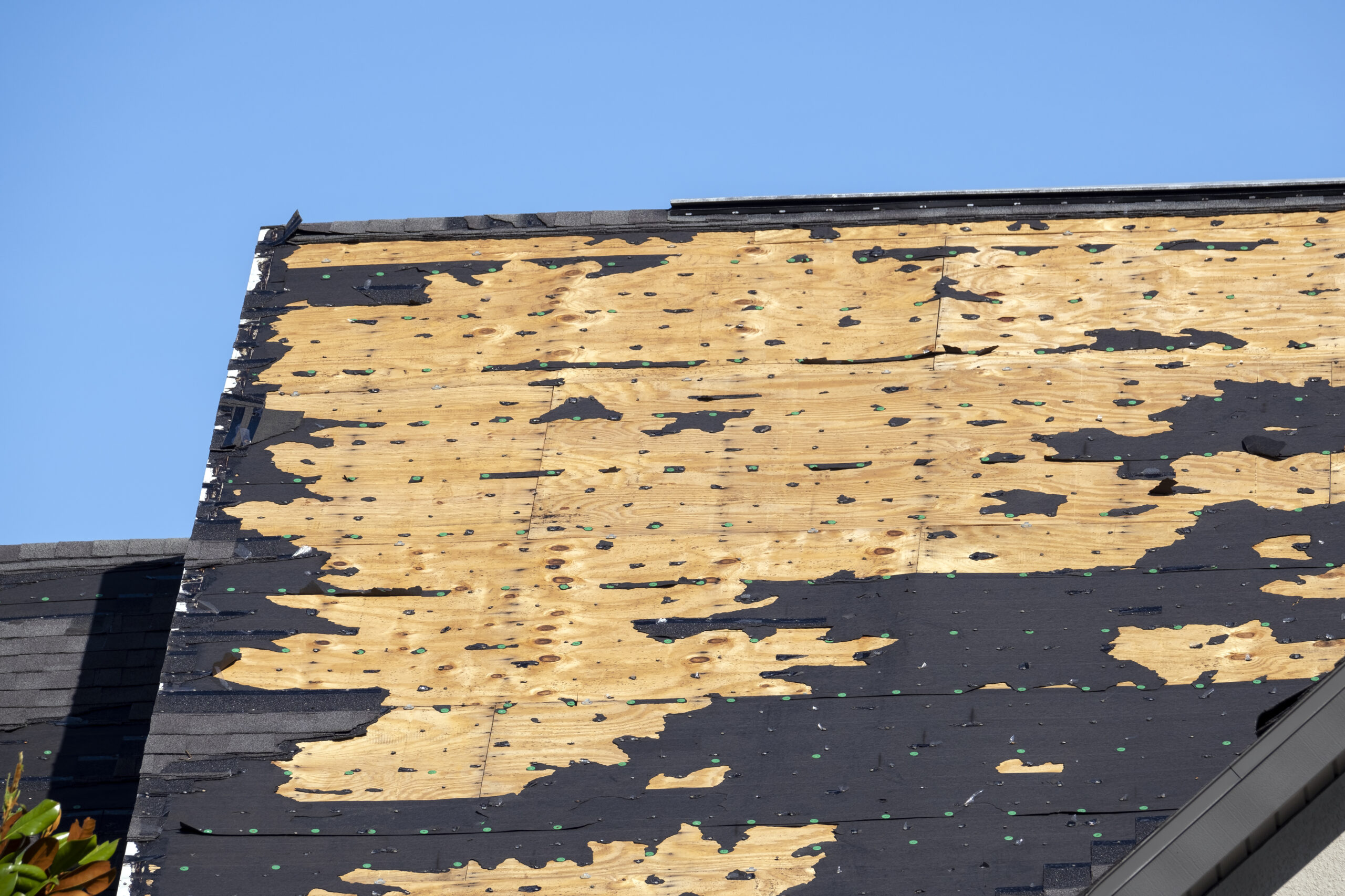
Granule Loss vs Structural Damage: When Hail Damage Becomes a Serious Roof Problem in Colorado Springs
Once a hailstorm passes through, homeowners often use the word damage to describe all sorts of problems, though an insurer won’t always see it the same way. A skilled roofing contractor can tell you that some of what you’re looking at is purely cosmetic, the kind of wear that quietly shortens a roof’s lifespan over the years without putting it at immediate risk. Other damage is a different story entirely, since it threatens the structure right away and can’t wait.
Understanding which type you’re dealing with really does matter, since it shapes what your insurance company agrees to pay for and how fast the repair actually needs to get done.
Why this distinction matters to your claim
An insurer does not treat every kind of hail mark the same way. Some adjusters will note surface wear and move on, while true structural concerns tend to get flagged for faster action and a larger scope of repair. Understanding where a property actually falls on that spectrum before a claim is filed helps set realistic expectations for what the insurance company will and will not pay for. It is a distinction we walk through with every homeowner at The Rich Co Inc before a claim ever gets filed.
What granule loss looks like and what it means
Granule loss is the most common type of hail related wear. It happens when the protective mineral coating on asphalt shingles gets knocked loose or worn away by the impact of hail. On its own, granule loss does not mean the roof is failing today, but it does shorten the shingle’s remaining life and expose the layer underneath to more sun and moisture than it was built to handle. This is usually where a hail damage conversation starts.
When damage moves from surface to structural
Structural damage is a different category entirely. This includes cracked decking, shingles that have split all the way through, or damage severe enough that water is finding its way past the surface layer and into the roof itself. Wind driven hail, older roofing material, and storms that last longer than usual all raise the odds of damage crossing that line. A roof with structural damage needs attention on a different timeline than one with surface wear alone.
How an inspection tells the difference

The only reliable way to tell surface wear from a structural problem is a close inspection, not a guess based on how bad the storm sounded. That means checking for granule loss across the full roof, feeling for soft or bruised spots, and looking for any sign that water has already gotten past the shingle layer. Gutters, siding, and windows get the same close look, since the same storm that damaged the roof was hitting the rest of the exterior at the same time.
What this means for your insurance claim
Insurance claims usually start from RCV, the Replacement Cost Value, which is what it costs to replace the damaged item today with one of similar kind and quality. Insurers often pay ACV first, the Actual Cash Value, RCV minus depreciation for age and wear, and hold back the remaining amount, known as the depreciation holdback, until the repair is finished. If the first estimate misses the difference between granule loss and structural damage, a supplement, a formal request for additional payment, is how that gap gets corrected with evidence rather than an argument.
Why one team handling the whole picture matters
Here at The Rich Co Inc, we have licensed insurance adjusters on staff who inspect independently, document what they find formally, and negotiate directly with the insurer so nothing gets lost between what was found and what gets paid for. One Google reviewer, S. Williams, described our crew catching the wrong shingles being supplied along with other items an earlier estimate had missed. That kind of catch tends to happen when the same team doing the inspection is also the one fighting for the claim, across Colorado Springs and El Paso County alike.
Related Topics: