
How Roofing Contractors Price Hail Damage Jobs in Colorado Springs (Labor, Materials, Overhead)
Two roofing estimates for the same hail-damaged property can come back with numbers that look nothing alike. Homeowners are often left wondering which one is actually right. We get asked about this a lot, and honestly, it makes sense why it’s confusing.
The truth is, pricing a hail damage job involves more moving parts than most people expect. Labor, materials, overhead, you know, it all adds up in ways that are not always obvious from the outside. Working with a professional roofing contractor means you get someone who can actually walk you through what each line item means and why it is there.
Why Hail Damage Pricing Isn’t One Size Fits All
Not all hail damage jobs are created equal. Several factors determine the scope and cost of a repair:
- Extent of damage: A roof with scattered granule loss across a single slope is a very different job than one with widespread bruising, cracked shingles, and damaged flashing across the entire structure.
- Roof characteristics: Even two roofs on similar-sized homes can require very different amounts of work depending on the roof’s pitch, the number of layers already on it, and how accessible it is for a crew and their equipment.
- Storm severity: A roof hit by a fast-moving hailstorm with large stones needs a different scope of repair than one that took a slower, more prolonged hit from smaller hail, even if both events happened on the same day in the same neighborhood.
This is part of why a proper inspection matters so much before any number gets attached to a job. Guessing at scope from the street almost always produces an estimate that misses something.
Labor Costs and What Drives Them Up or Down
Several variables directly affect the labor portion of a roofing estimate:
- Roof pitch: A steep roof takes longer to work on safely, requires more safety equipment, and generally costs more in labor than a low-sloped roof of the same size, simply because crews move slower and more carefully on a steep surface.
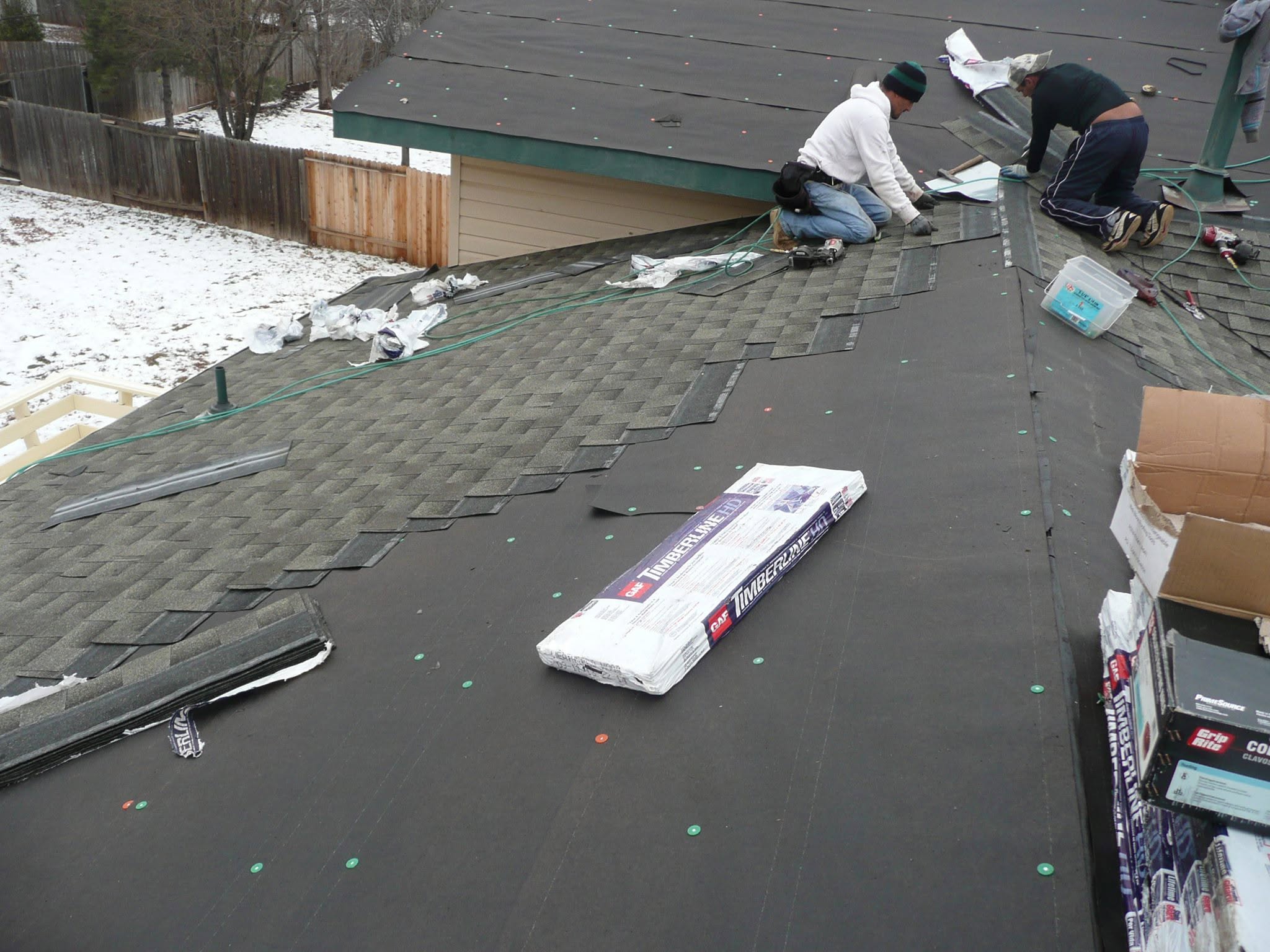
- Number of existing layers: Tearing off a single layer of old shingles takes less time than removing two or three layers stacked on top of each other, and that difference shows up directly in the labor line of an estimate.
- Seasonal demand: A company juggling a high volume of hail damage repairs across Colorado Springs at the same time may price labor differently than during a slower stretch of the year. Our residential repair services are priced with this kind of seasonal demand in mind, so estimates stay grounded in what a job actually requires rather than a flat rate.
- Weather delays: During Colorado Springs storm season, a crew might need to pause a job partway through because another round of hail or wind rolls through the area. An experienced crew builds that uncertainty into how they time and staff a job from the start.
Material Costs and Why Shingle Choice Changes the Number
Basic three-tab shingles cost less than architectural or designer shingles, and that difference alone can shift a total estimate significantly depending on what the homeowner chooses or what their policy specifies for replacement.
Underlayment, flashing material, and ventilation components add to the total as well, and the quality of those materials affects both the price and how long the roof lasts afterward.
Supply availability during a heavy storm season can also push material costs up temporarily, since demand for shingles and related materials spikes across the whole region when a large hailstorm hits multiple neighborhoods at once.
A contractor pricing a job during that kind of stretch may reflect current material costs rather than the lower costs from earlier in the year, which is one reason estimates can shift if a homeowner waits too long between getting quotes and scheduling the work.
Overhead, Permits, and the Costs Homeowners Rarely See
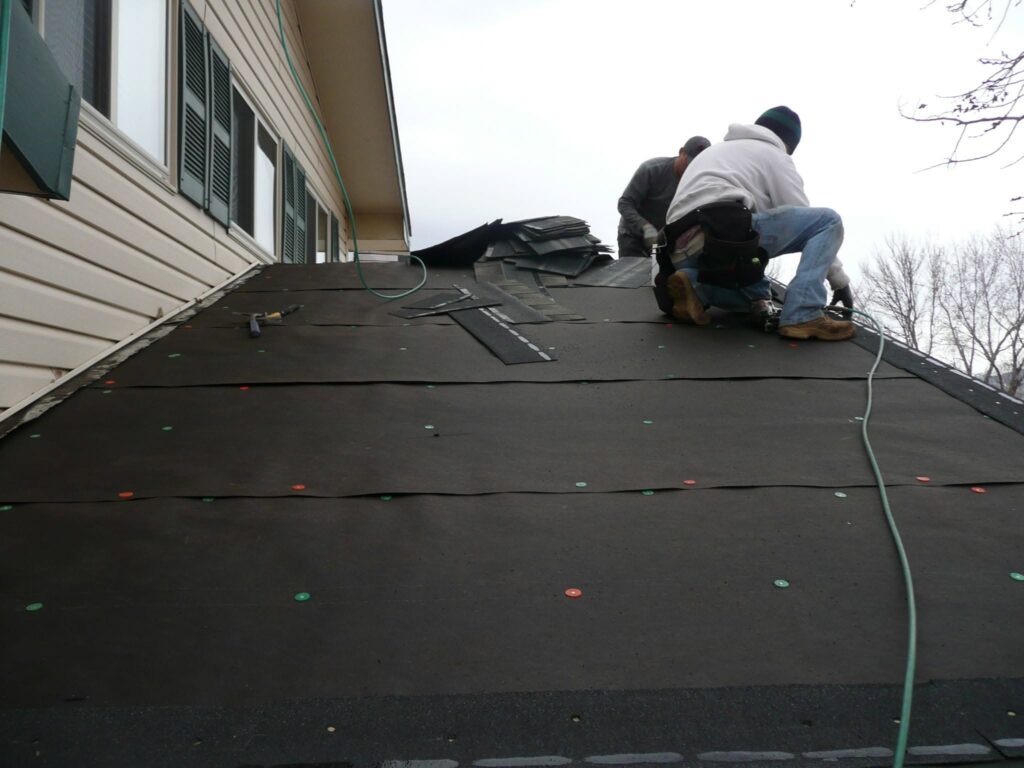
Every legitimate roofing job includes costs that may not appear as a separate line item but still factor into the total price:
- Permit fees
- Dump and disposal costs for old roofing material
- Insurance coverage for the crew
- General business operating costs
Companies that document damage thoroughly and handle insurance negotiation as part of their process, like our licensed adjusters do, also factor that added service into how a job gets scoped and priced.
That work takes time and expertise, and it is part of why a company handling both the claim and the repair may structure pricing differently than a contractor who only shows up to install shingles after someone else has already settled the claim.
How Insurance Estimates and Contractor Pricing Can Differ
Insurance companies typically build their estimates using Xactimate, a standardized estimating software used across the insurance industry to price repairs based on average regional costs. That number is meant to reflect Replacement Cost Value, the cost to replace the damaged item today with something of similar kind and quality, before any depreciation is applied.
A contractor’s estimate, based on an actual inspection of the property, sometimes reveals damage or scope the initial insurance estimate did not account for. When that happens, the gap between the two numbers is exactly what a supplement is meant to address, a follow-up request to the insurer for additional payment once the missed damage is documented properly.
Understanding hail damage roof repair costs, process, and timeline from the start helps homeowners follow along as their claim moves from a first estimate to a final, accurate scope of work.
Related Topics: