
How Weather Delays Impact Roof Repair Projects in Colorado Springs (Rain, Wind, and Permits)
Nobody wants to hear that their roof repair is going to take longer than expected, especially after a storm already turned the week upside down. But timelines on roof work are shaped by more than just labor and materials.
Weather plays a bigger role than most homeowners expect, and permits add another layer that has nothing to do with the crew on the roof at all. Working with a reliable roofing contractor from the start makes those bumps a lot easier to manage.
Understanding what actually slows a project down helps set realistic expectations from the start, and it also helps homeowners know when a delay is normal versus when something else might be going on.
Why Roof Timelines Are Rarely as Simple as They Sound
A roof repair looks straightforward from the ground. Tear off the damaged section, replace it, done. In practice, a project moves through material delivery, tear-off, decking inspection, underlayment, shingle installation, and a final walkthrough, and each step depends on conditions being right at that moment. It’s a bit more layered than most people expect going in, honestly.
Colorado Springs weather doesn’t always cooperate with that sequence. A dry morning can turn into an afternoon thunderstorm without much warning, especially during the spring and summer months when storm activity is highest.
Crews plan around forecasts, but forecasts are not guarantees, and a roof that has been opened up for tear-off cannot simply be left exposed if conditions change partway through the day. Any residential roof repair job has to build in some room for that.
Rain and Standing Water and What It Does to an Open Roof
Once the old roofing material is removed, the deck underneath is exposed, and that deck cannot get wet before the new underlayment goes down. Even a light rain can force a pause, because water trapped under new shingles leads to problems far worse than the original storm damage, including rot and mold that don’t show up until months later.
That’s part of why delaying storm damage roof repairs tends to cost more down the line, not less.
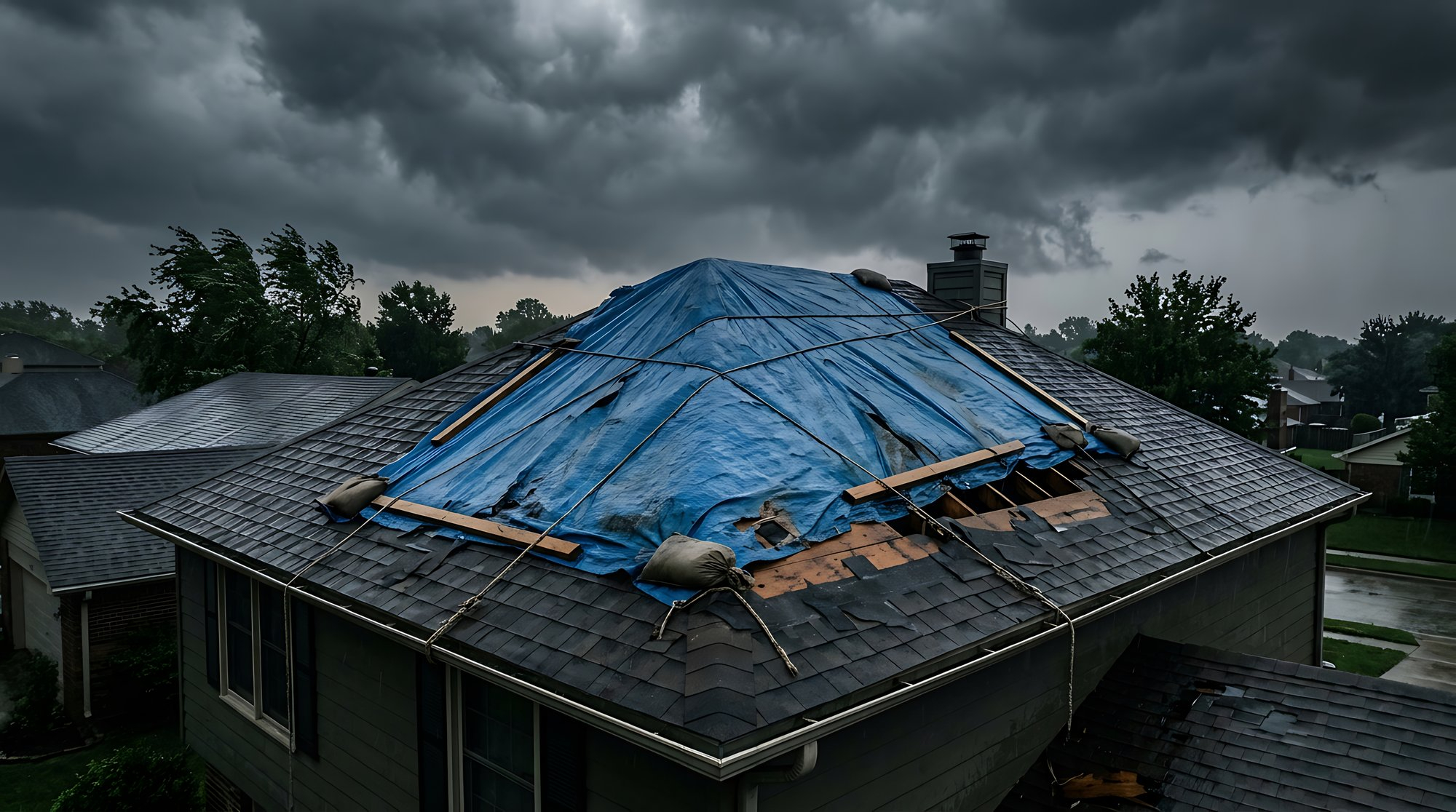
This is part of why a same-day tear-off and install is the standard approach whenever possible. Crews try to limit how long a roof sits open, and if rain moves in faster than expected, covering the exposed area with a temporary barrier becomes the priority until it’s safe to continue.
It isn’t the fastest path forward, but it protects the home better than pushing ahead in bad conditions ever would.
Wind Days and Why Crews Sometimes Have to Pause
High wind is its own separate problem, and it’s often more disruptive than rain. Working on a pitched roof in strong gusts is dangerous for the crew and increases the odds of materials shifting before they’re properly secured. Shingles that haven’t sealed yet can lift in wind, and loose materials on a roof quickly become a hazard for anyone below.
Colorado Springs sees enough wind events throughout the year that most experienced crews build some flexibility into their scheduling rather than assuming every day will go as planned.
A wind-related pause usually only costs a few hours or a day on its own, but stacking several of those together across a longer project is where homeowners start to notice the timeline stretching further than expected.
Permits and Inspections: The Paperwork Side of Timing
Weather isn’t the only thing that can slow a project. Depending on the scope of work and the jurisdiction, a roof replacement may require a permit, and permits come with their own timeline that has nothing to do with the crew’s schedule.
Some permits are approved quickly, while others take longer depending on how busy the local permitting office happens to be at that time. Part of choosing the right contractor is knowing they’ll handle that paperwork side without it becoming your problem.
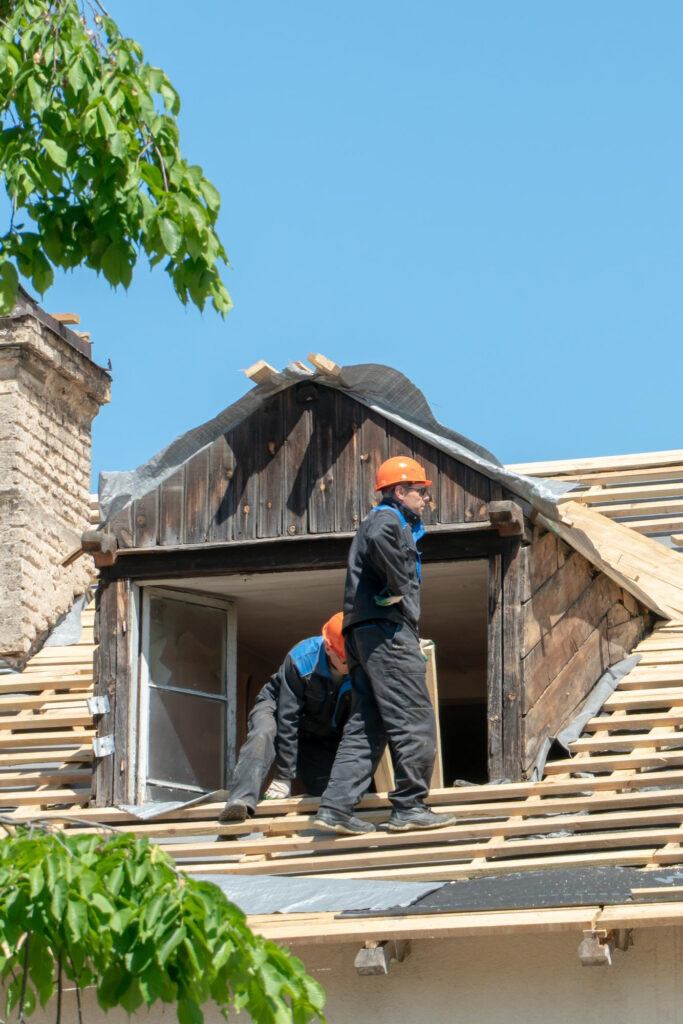
Inspections add another checkpoint. A city or county inspector may need to sign off on certain stages of the work before it can continue, particularly on larger commercial projects. These checkpoints exist for good reason, since they confirm the work meets code, but they do mean a project can pause while waiting on an inspector’s availability rather than the weather at all.
Noticed your roof project stalling and not sure why? Give us a call at (719) 287-5385, and we’ll walk you through exactly what’s holding things up.
How We Plan Around Colorado Springs Weather
We build weather variability into how we schedule jobs across Colorado Springs and El Paso County, rather than assuming every day on the calendar will go exactly as planned. That means monitoring forecasts before a project, staging materials so we can use a clear window efficiently, and communicating quickly with homeowners if a delay becomes necessary mid-project.
Our team also handles projects across roofing, gutters, windows, siding, and exterior paint, so when weather affects one part of a job, we can often shift focus to another task that doesn’t depend on dry conditions, which keeps the overall project moving rather than sitting completely idle for days at a time.
What Homeowners Can Do to Keep a Project Moving
There are a few things homeowners can do to help a project stay on track. Keeping the driveway and yard clear for material delivery and equipment access removes one common source of delay before it even starts.
Being available to answer questions quickly, especially around material choices or unexpected findings once tear-off begins, also keeps decisions from becoming a bottleneck later in the project.
Patience during a weather pause helps too. A crew that stops work because conditions turned unsafe is protecting the quality of the finished roof, not stalling for no reason. A rushed job in bad weather tends to create more problems than it solves, and most of those problems don’t surface until well after the crew has already packed up and moved on to the next job.
Have questions about your roof repair timeline, or just want to talk through what to expect? Contact us, and we’ll help you figure out the right next step. You can also reach us at (719) 287-5385 or 2trc.llc@gmail.com. We’re open Monday through Thursday, 7 AM to 6 PM, and Friday 7 AM to 3:30 PM.
Related Topics: