
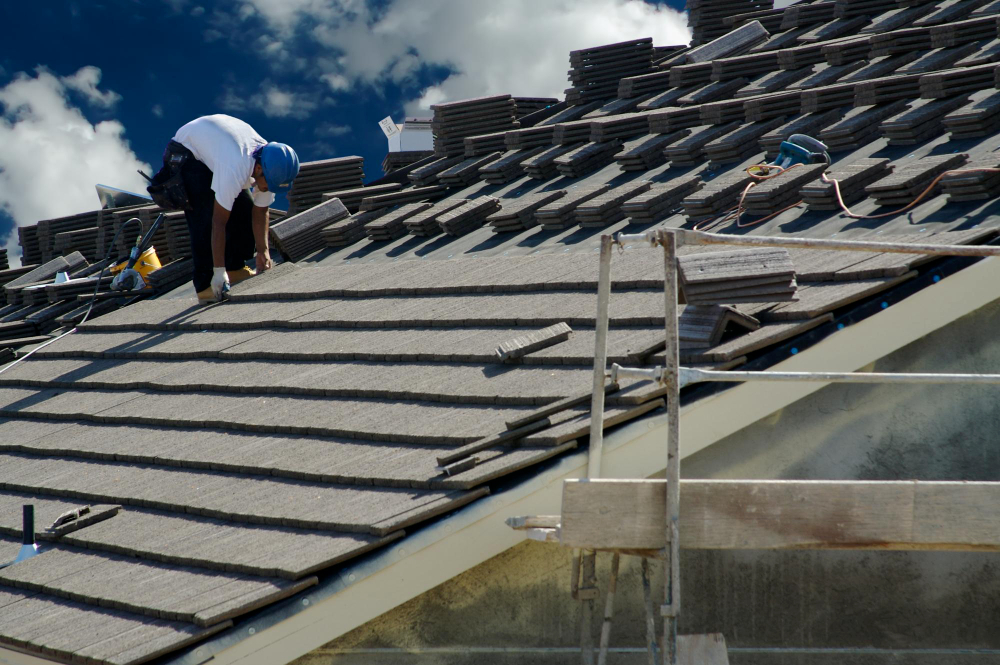
Best Time of Year for Roof Replacement in Colorado Springs
Late spring through early fall is the honest answer for most homes here, and summer is the middle of it. Long dry days let a crew get from tear off to a sealed roof without stopping. That single factor drives both the cost and how long the work ties up a house.
We are The Rich Co Inc, an affordable roofing contractor working across Colorado Springs, CO and El Paso County. We schedule storm claims and planned replacements on the same calendar, and that dual view is the useful part. A homeowner replacing a roof after hail is not choosing a season in isolation, because the claim is moving on its own clock at the same time.
Why Season Matters More Here Than It Does at Lower Elevation
Colorado Springs swings further between morning and afternoon than most cities do, and asphalt shingles care about that. The adhesive strip on a shingle needs warmth to bond. A roof laid on a cold morning may not seal until the sun works on it hours later.
Wind is the other local factor. A gust during a partial tear off can drive rain or grit under an open deck. That turns a one day job into two days plus a repair. A crew planning around Front Range patterns works from the conditions this roof will actually face. That shapes the start time as much as the month does.
Spring, and the Reason It Books Out First
Spring brings the year’s heaviest hail to the Front Range. It produces most of our storm damage inspections in Colorado Springs, CO. A roof hit in April needs documentation before a replacement date can be set. The claim and the construction schedule advance separately.
Our guidance on hail season roof prep covers what is worth checking before the first storm arrives. Calling early in the season also gets an inspection done and a claim opened while construction slots are still open.
Waiting means competing for a crew after a widespread storm has already filled every roofer’s calendar in the region. The same hail that damaged the roof also created the backlog, and both arrive in the same week.
Hoping to get a Colorado Springs roof replaced before next hail season? Give us a call at (719) 287-5385, and we will get the inspection done while crew dates are still open.
Summer, and What It Costs in Scheduling
Summer offers the longest run of warm dry days, so it is the busiest season for planned work rather than storm repair. Shingles seal properly, daylight is generous, and a full tear off and install can finish inside one stretch.
Afternoon thunderstorms are the catch. A crew starts the tear off early and covers the deck before the build up arrives. That shapes the working day more than the temperature does. Because so many homeowners want a summer date, booking ahead matters more in June than it does in any other month. A few things decide how early that call needs to happen.
- Whether a claim is already filed or still needs documentation
- How much granule loss shows on the shingles and in the gutters
- Whether flashing, vents, or ridge caps took visible hits
- How far out crews are booked for the season you want
- How many daylight hours that season leaves for a full tear off and seal
A claim filed and reviewed early gives a homeowner a real construction date instead of an open ended wait.
Fall, the Underrated Window
Fall keeps daytime temperatures warm enough for proper sealing while carrying far less thunderstorm risk than summer. For both storm repairs and planned replacements, it is often the smoothest window of the year.
Nights turn cold quickly at this elevation, so a crew needs enough daylight to finish sealing before the temperature drops out from under the work. Fall is also when the rest of the exterior earns attention. Gutter installation and repair done before the first freeze keeps meltwater moving off a new roof instead of backing up behind ice at the eave.
Winter, and When It Is Still the Right Call
Winter is the hardest season for a full replacement. Cold slows shingle sealing, snow halts work outright, and a short day leaves little margin when something goes wrong.
A roof with an active leak cannot always wait for spring. Serious storm damage is worth repairing in February rather than risking three more months of water. In that situation a claim filed the week the damage is found gives a homeowner options that a delayed claim will not. Carriers and crews both move faster on a file that already has photographs and a documented scope attached to it.
How a Storm Claim Changes the Scheduling Math
A replacement tied to a hail claim runs on a different clock than a planned upgrade. The review, the documentation, the filing, and the negotiation all have to land before construction can start, and none of those steps care what month it is.
We handle that side of the house. Our licensed adjusters inspect independently, document the damage formally, and negotiate with the carrier. That keeps the claim moving while the construction calendar fills up elsewhere. A claim opened in April behaves very differently on that calendar than one opened in November, even when the damage on the roof looks identical.
What Actually Delays a Scheduled Replacement
Weather is the delay everyone expects. Paperwork causes at least as many missed dates, and it causes them more quietly.
A carrier that disputes the scope, or values it short, can hold a start date for weeks. We negotiate that directly and keep the homeowner updated on where the claim sits. A moving start date at least comes with a reason attached. Material backorders and permit review push dates too. A claim documented and filed early absorbs those far better than one still waiting on a first adjuster visit.
Our post on the impact of weather in roof repairs goes through how those pieces stack up on a real project, and our crew plans around both the forecast and the claim so your start date holds.
Frequently Asked Questions
For most homes, late spring through early fall. The long, dry, warm days let shingles seal properly and give a crew time to go from tear off to a sealed roof in one stretch. Fall is often the smoothest window, because it stays warm enough for sealing and has less thunderstorm risk than summer.
Yes, when it can’t wait. Cold slows shingle sealing and snow can stop work completely, so winter is the hardest season for a full replacement. If you have an active leak or serious storm damage, though, repairing it now is usually better than risking months of water damage.
Earlier than for any other season, because summer is when most homeowners want their work done. How early depends on whether your claim is filed, how much damage the roof shows and how far out crews are already booked. An early inspection gives you a real date instead of an open ended wait.
A hail claim runs on its own clock. The inspection, documentation and filing all need to be done before construction can start. A claim that’s documented and filed early keeps your start date firm, even when weather, materials or permits push the schedule.
Season matters, but your roof’s actual condition matters more, and a quick inspection tells you how long it can safely wait. The Rich Co Inc schedules storm claims and planned replacements on one calendar, so your timeline stays clear from inspection to final shingle. Call (719) 287-5385 and get a free inspection. That groundwork gives a clear before and after record.
Related Topics: