
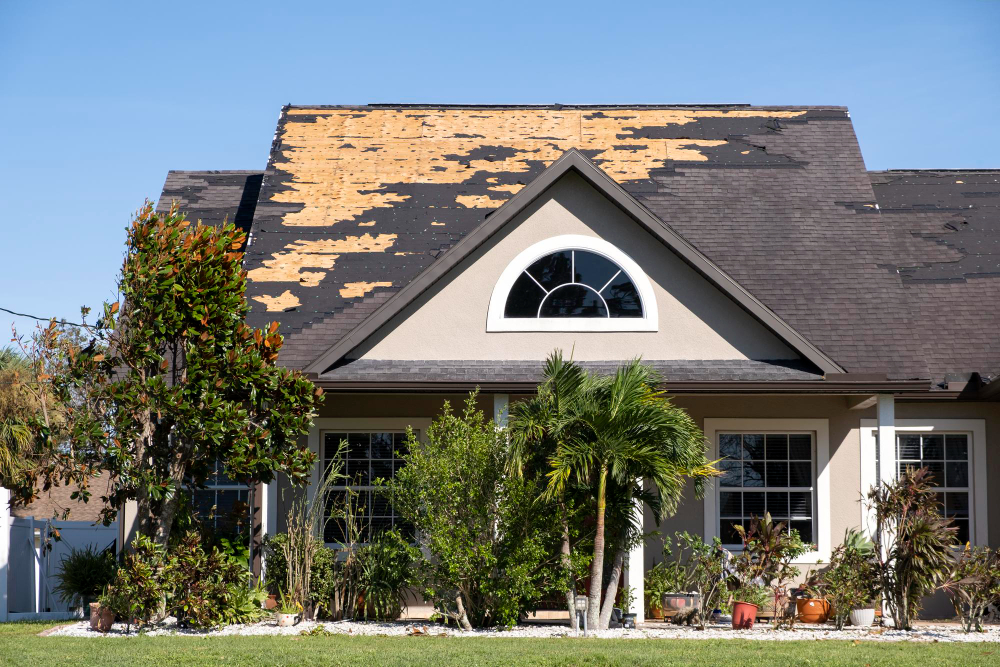
Can Hail Damage Get Worse Over Time If Left Unrepaired in Colorado Springs?
Yes, and the spread usually begins the first time it rains after the storm. A hailstone does not flood a house on its own. It cracks a shingle or lifts a piece of flashing, and every weather event afterward uses the opening it made.
We are The Rich Co Inc, a reliable roofing contractor in Colorado Springs, CO, and catching that opening early is exactly what we are here for. We keep licensed insurance adjusters on our own staff, with more than forty years of combined experience across El Paso County. Rich and Troy are still on the roofs. What we keep finding is a roof that looks sound from the driveway while the mat under the shingle has already given out.
What Hail Actually Does to a Shingle
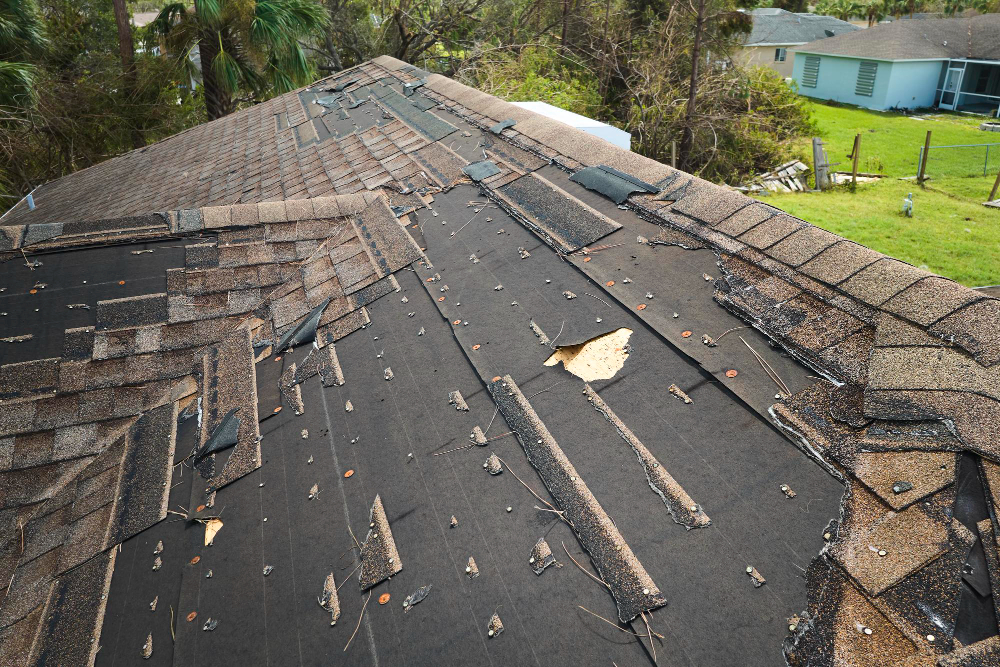
A hailstone hitting asphalt does three things worth naming. It knocks granules loose, it bruises or fractures the mat underneath, and it can split a ridge cap outright. None of that repairs itself, and none of it is obvious from the ground.
Granules are the shingle’s sunblock. Once they scatter, the asphalt below starts breaking down under ultraviolet light, which runs harsh at this elevation. Flashing takes a different kind of hit. A strike near a vent or a chimney can lift the metal just enough to break a seal that held fine the day before. Nothing drips that afternoon, so nobody looks again.
How Quickly Does Hail Damage Spread
Speed depends on the size of the opening and on the weather that arrives after the storm. A cracked tab through a wet stretch moves in weeks. A patch of granule loss through a dry August can sit for months with little visible change. Neither one closes itself.
The sequence matters more than any calendar. Water works under the shingle, the underlayment takes on more than it was built for, and the decking underneath begins holding moisture. Wood that stays damp softens and swells, and fasteners lose their grip in it.
Knowing the difference of granule loss and structural damage is what tells you whether a roof needs watching or needs work, and our inspection sorts that out for you in a single visit. The two look far more alike from a ladder than they do up close.
Why Freeze and Thaw Cycles Make It Worse Here
Colorado Springs runs through freeze and thaw swings for most of the cold season, sometimes twice in one day. That cycle is the reason a small crack does not stay small.
Water reaches the opening, freezes, and expands, which forces the gap wider than the hail ever did.
Then it thaws. Grit and more moisture settle into the space the ice just made, and the next freeze goes to work on a bigger opening.
Repeat that through a Front Range winter and a July hailstorm turns into a March repair. The crack did not worsen on its own. The weather kept prying at it.
Took hail this summer and never had the roof looked at? Give us a call at (719) 287-5385, and we will get up there before the first hard freeze starts working on it.
What Happens Inside the House
Water that gets past the deck rarely drips straight down where a homeowner would notice. It travels along rafters and decking first, then surfaces as a ceiling stain in a room nowhere near the original impact. The stain almost always understates what sits above it.
Wet framing rots once it stays damp long enough, and rotted decking gets replaced rather than patched. Insulation soaks through and stops insulating, which reads as a cold upstairs room and a higher winter bill before anyone thinks about the roof.
An attic that holds moisture also gives mold the conditions it needs. Our post on interior damage from hail related leaks covers how far that spread travels on a Colorado Springs, CO home before it shows.
A few things are worth checking yourself in the weeks after a storm.
- Granules collecting in the gutters or at the base of a downspout
- Flashing around a vent or chimney that sits proud of the surface
- A musty smell in the attic or a top floor closet that was not there before
- A ceiling stain that appears weeks later rather than during the storm
- Insulation that looks darker, clumped, or flattened
Catching any of these early keeps hail roof leak repair costs down to a small fix instead of a torn out ceiling, so call us for an inspection while the damage is still contained.
Does Waiting Hurt an Insurance Claim
Most homeowner policies expect reasonable steps to limit further damage once a covered loss has happened. A leak left running for months invites a fair question during review, which is whether the interior damage could have been prevented. That question is far easier to answer when somebody documented the roof early.
Our licensed adjusters inspect independently, write the damage up formally, and negotiate the claim with the carrier on the homeowner’s behalf. That is the part most roofers hand back to the customer. One Google reviewer, S. Williams, described our crew catching the wrong shingles being supplied along with other items the original estimate had missed. Catches like that happen because the people on the roof are the same people arguing the scope.
Is Cosmetic Looking Hail Damage Worth Repairing
It usually is, because the size of the mark does not predict how much water gets under it. A hairline split can pass as much moisture over a season as a dent you can see from the yard. Freeze and thaw then treats both the same way.
There is a scope question underneath it too. A storm that marks the roof normally marks the gutters, the window seals, the siding, and the paint in the same twenty minutes.
We handle that full exterior under a single storm damage repair scope. One company stays accountable from the first inspection through the finished work, rather than four crews blaming each other.
What a Homeowner Should Do Next
Get the roof looked at by someone licensed, and do it before deciding whether a claim is worth filing. An inspection gives a documented record of the roof’s condition either way.
If there is nothing worth pursuing, the record says so, and that is still useful the next time a storm rolls through.
If there is damage, the documentation already exists instead of being reconstructed from memory months later. We review the claim, handle the paperwork, and negotiate with the carrier.
The roofing crew works from the same file the claims staff does. Nobody gets passed between two companies that have never spoken.
Frequently Asked Questions
Hail can bruise a shingle mat or crack a ridge cap without leaving a dent that reads from the ground. The shingle still loses its ability to shed water properly. A licensed inspection checks the surface up close, which is the only dependable way to catch damage that is invisible from below.
Sooner is better, because surface damage has less chance to reach the deck or the framing while the opening is still small. We offer free inspections seven days a week, which makes it easier to get someone up there before the next system moves through the Front Range.
Often yes, though the carrier tends to ask more questions about when the damage happened and what was done in the meantime. Documentation carries more weight the longer that gap runs. Our claims staff can help gather and organize photos, records, and incident reports even when the storm was not recent.
Not always, but the odds shift toward replacement the longer water has been getting past the shingle layer. Isolated damage caught early is usually a repair. Widespread granule loss, or decking that has already softened, is more often a replacement decision, and an inspection is what settles it.
That depends on the policy language and on whether reasonable steps were taken to limit further damage after the original loss. Policy wording gets complicated quickly. Our licensed adjusters can read the policy, explain what it actually covers, and negotiate directly with the carrier if the claim is disputed or undervalued.
Contact Us
Worried that the last storm left more damage than you can see? Our team is ready to inspect your roof, answer your insurance questions, and stop small hail dents from turning into costly leaks.
Visit Us: 8735 Mossy Bank Ln, Colorado Springs, CO 80927
Phone: (719) 287-5385
Email: 2trc.llc@gmail.com
Hours: Monday to Thursday, 7:00 AM to 6:00 PM. Friday, 7:00 AM to 3:30 PM.
Give us a call today, and we will check your roof for hail damage and get repairs started before the next storm rolls in.
Related Topics: